


Consular Processing Lawyer
If you or a family member need a U.S. visa or green card processed at an embassy or consulate outside the United States, you are dealing with what immigration law calls consular processing. It is the standard path for most immigrant visa applicants who are living abroad, and it also applies to certain nonimmigrant visa holders who need to renew their status outside the country before returning to the U.S. Understanding how the process works, and where it commonly runs into trouble, makes the difference between a smooth interview and months of unexpected delay.
What Is Consular Processing?
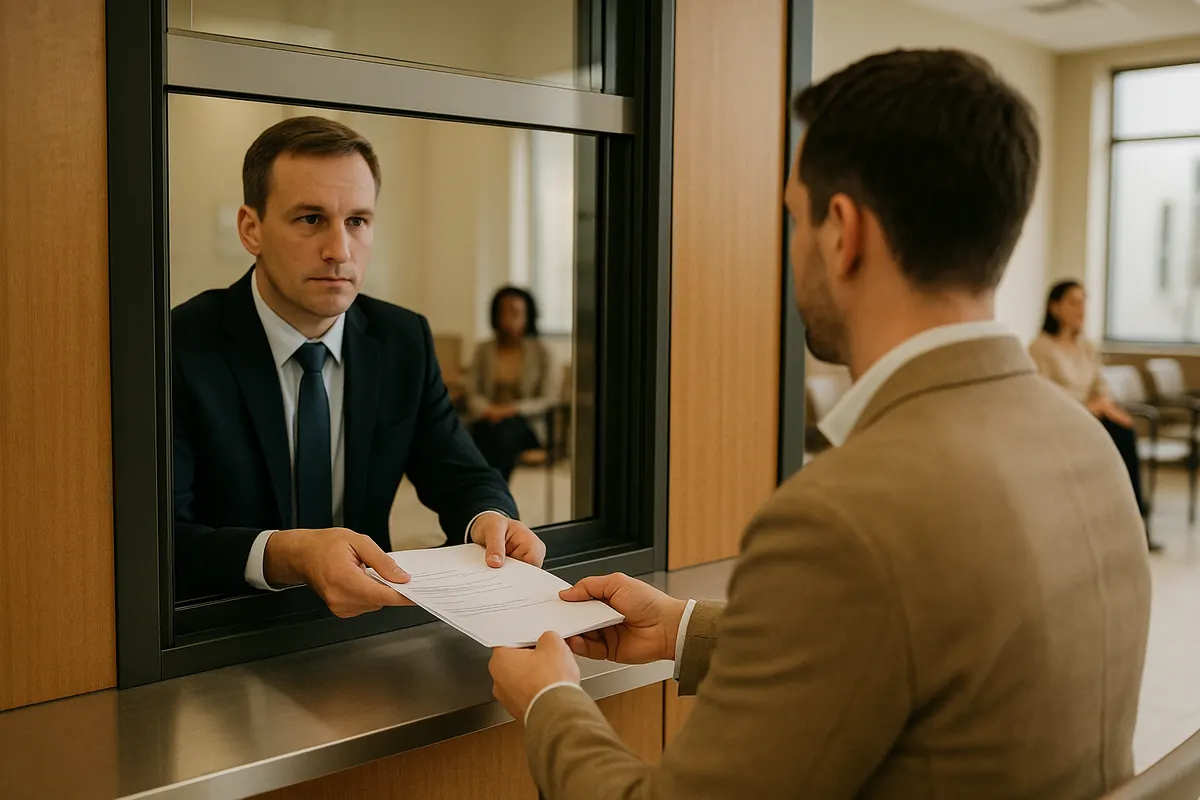
Consular processing is the procedure the U.S. Department of State uses to issue a visa to someone who is physically outside the United States at the time their case is ready to move forward. Once the underlying petition, such as Form I-130 for a family member or Form I-140 for an employment-based case, is approved by U.S. Citizenship and Immigration Services, the file is transferred to the National Visa Center. From there, it moves to a U.S. embassy or consulate in the applicant's home country, where a consular officer reviews the documentation and conducts an in-person interview before deciding whether to issue the visa.
This is different from adjustment of status, which allows someone already living in the United States to apply for a green card without leaving the country. Applicants who are outside the U.S. when their priority date becomes current, who are ineligible to adjust status domestically, or who simply prefer to avoid certain bars to adjustment generally complete consular processing instead.
Who Uses Consular Processing?
Consular processing covers far more than new family- and employment-based immigrant visas. It comes up in several situations we handle every week, including:
Family members abroad who are waiting on an approved I-130 petition and need to complete their immigrant visa interview overseas
Employment-based green card applicants who are living outside the U.S. when their priority date becomes current
Diversity Visa, or green card lottery, selectees who must complete their interview at a consulate before their visa year expires
Fiancé visa applicants, since K-1 cases are almost always completed through consular processing rather than adjustment of status, a step our fiancé visa lawyer in Seattle handles for couples throughout the year
Nonimmigrant workers renewing their status abroad, including most H-1B holders who need a new visa stamp before re-entering the U.S. — though a limited domestic renewal program has periodically allowed certain eligible H-1B holders to renew their stamp by mail without leaving the country, subject to narrow eligibility rules that change from cycle to cycle — a distinction our H-1B visa lawyers in Seattle walk clients through regularly
E-2 treaty investors and other nonimmigrant visa holders whose visas must be renewed at a consulate rather than through USCIS, something our investment visa lawyers in Seattle see often among clients expanding their U.S. operations
How the Consular Processing Process Works
- Consular processing follows a fairly consistent sequence, though timing varies by post and visa category.
- Petition approval. USCIS approves the underlying petition, whether that is an I-130, I-140, I-360, or another qualifying form, establishing the legal basis for the visa.
- National Visa Center case creation. The NVC opens the case, assigns a case number, and collects the required immigrant visa and Affidavit of Support fees.
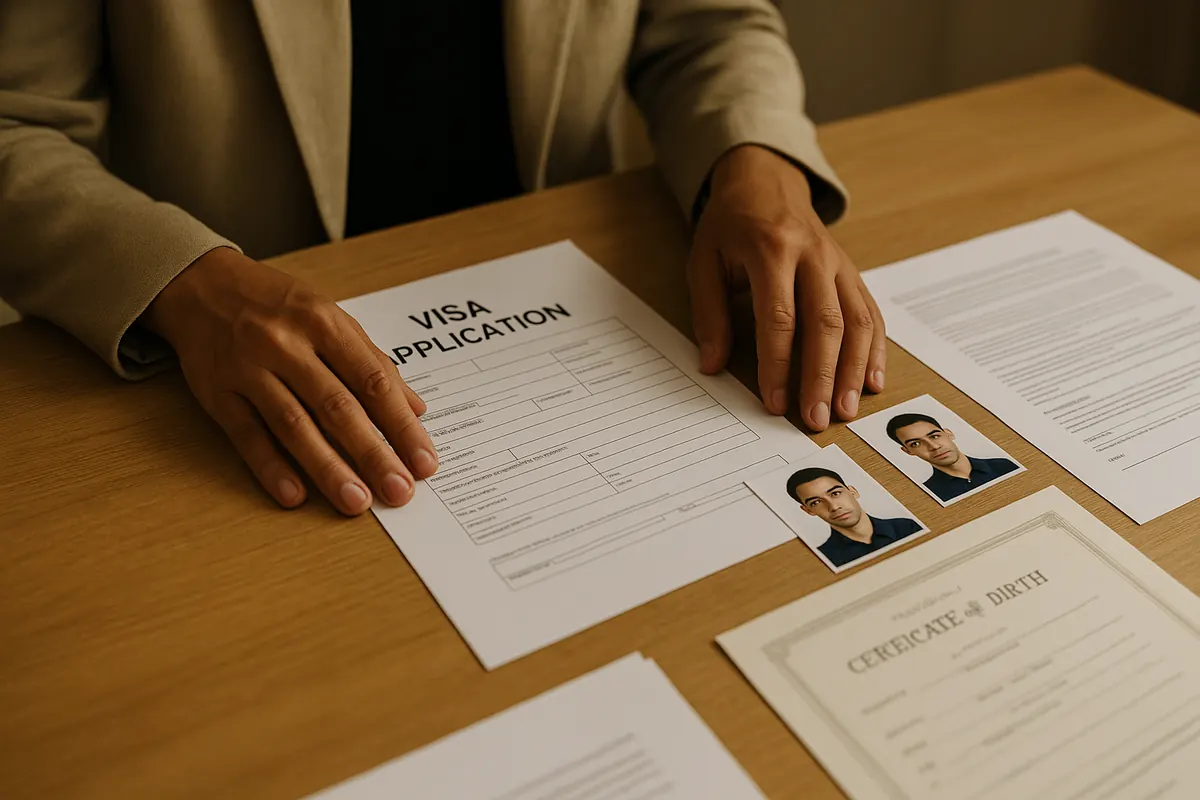
DS-260 and civil documents. The applicant submits the online immigrant visa application, Form DS-260, along with birth certificates, marriage certificates, police certificates, and any other required civil documents.
- Affidavit of Support. A U.S. sponsor files Form I-864 to demonstrate that the applicant will have adequate financial support and will not become a public charge.
- Medical examination. The applicant completes a medical exam with a panel physician authorized by the local U.S. embassy or consulate.
- Interview scheduling. Once the file is documentarily complete, the NVC forwards it to the consulate, which schedules an interview date.
- Consular interview. A consular officer reviews the case and questions the applicant, then issues the visa, denies the application, or places it into administrative processing.
- Visa issuance and entry. Once approved, the applicant receives the visa and can travel to the United States, where a physical green card typically arrives by mail after admission at the port of entry.
Common Challenges That Can Delay Consular Processing
Even well-prepared cases can hit obstacles. The most frequent causes of delay include missing or mistranslated civil documents, inconsistencies between the petition and the applicant's interview testimony, and administrative processing under Section 221(g) of the Immigration and Nationality Act, which allows a consular officer to hold a case for additional review rather than approving or denying it outright. Staffing shortages and appointment backlogs at certain posts have also lengthened wait times in recent years, a trend our attorneys have tracked closely alongside the broader delays reported at consulates worldwide. Applicants with prior visa denials, periods of unlawful presence, or certain criminal or immigration violations may also need a waiver before a visa can be issued, which adds an additional layer to the timeline.
Consular Processing vs. Adjustment of Status
The right path depends largely on where the applicant is currently living and their immigration history.
| Factor | Consular Processing | Adjustment of Status |
|---|---|---|
| Applicant's location | Must be outside the United States | Must be inside the United States |
| Interview location | U.S. embassy or consulate abroad | Local USCIS field office |
| Travel during the case | Not applicable once abroad | Advance parole generally required to travel |
| Typical use case | New immigrant visa applicants and nonimmigrant visa stamp renewals | Applicants already maintaining valid status inside the U.S. |
Preparing for Your Consular Interview
A few habits consistently make interviews go more smoothly:
- Bring the original and a photocopy of every document listed on your interview appointment letter, not just the ones you think matter most
- Review your DS-260 answers beforehand so your interview testimony lines up with what you already submitted in writing
- Confirm your medical exam results have not expired before your scheduled interview date
- Practice describing your relationship, job offer, or investment in plain, consistent language rather than rehearsed phrasing
- Arrive early, and make sure your passport remains valid well beyond your intended date of travel
What Is Changing in Consular Interviews Right Now
Consular interview requirements have shifted recently. Several posts have expanded in-person interview requirements for categories that previously qualified for waived interviews, a change affecting E-1, E-2, H-1B, L-1, and O-1 applicants renewing their visas abroad. Applicants who assumed they could skip an in-person interview should confirm current requirements at their specific post before booking travel, since policies vary by consulate and can change with little advance notice.
Consular Processing at a Glance
- Applies to most immigrant visa categories and several nonimmigrant visa renewals completed outside the U.S.
- The case moves from USCIS approval to the National Visa Center and then to a U.S. embassy or consulate
- Requires civil documents, a medical exam, an Affidavit of Support, and an in-person interview
- Administrative processing under INA Section 221(g) can add weeks or months to an otherwise approvable case
- Unlike adjustment of status, consular processing does not require advance parole since the applicant is not maintaining status inside the U.S.
Work With an Experienced Consular Processing Attorney
Consular processing gives most visa applicants living outside the United States the clearest, and often the only, path to a visa or green card. In short, your case moves from USCIS approval to the National Visa Center, then to a U.S. embassy or consulate for document review, a medical exam, and an interview before a visa is issued or additional review is required. The details vary by visa category and by post, and small errors in documentation or interview testimony are a common reason otherwise strong cases stall in administrative processing. The immigration attorneys at Stelmakh & Associates Inc prepare clients for every stage of consular processing, from the initial petition through the visa interview itself. Beyond our Seattle office, we also represent clients in Chicago, Austin, San Francisco, and New York who are navigating consular processing for family members, employees, and investors abroad.
Frequently Asked Questions
Consular processing is completed at a U.S. embassy or consulate abroad for applicants living outside the United States. Adjustment of status is completed with USCIS for applicants already living lawfully inside the U.S.
Timelines vary widely by post and visa category, but most cases take several months from National Visa Center case creation to the final interview, longer if the case is placed in administrative processing.
The NVC opens the case, collects fees, and gathers the DS-260 application and civil documents before forwarding the file to the appropriate consulate for interview scheduling.
Yes. Every applicant must complete a medical exam with a panel physician authorized by the local U.S. embassy or consulate before the interview.
Section 221(g) allows a consular officer to hold a case for further review instead of approving or denying it at the interview, often to request additional documentation or complete a security check.
In some cases, yes. An applicant who leaves the U.S. or whose adjustment of status case cannot proceed domestically may be able to transfer the case for consular processing abroad instead.
Bring your interview appointment letter, passport, civil documents, medical exam results, and any additional evidence listed in your specific instructions, in both original and photocopy form.
The consulate issues the visa in your passport, allowing you to travel to the United States. Immigrant visa holders receive their physical green card by mail after being admitted at the port of entry.