


Visitor Visas Lawyer in Seattle: Your Guide to B-1 and B-2 Visas
Anyone traveling to the United States for a short business trip, a vacation, or medical treatment typically needs a B-1 or B-2 visitor visa. The B-1 visa covers temporary business activities like attending meetings, negotiating contracts, or consulting with associates, while the B-2 visa covers tourism, visiting relatives, or receiving medical care. Both are non-immigrant visas, generally issued for stays of up to six months, and neither one authorizes employment in the United States. Because consular officers scrutinize every visitor visa application closely, understanding the requirements before you apply makes a real difference in your approval odds.
What Is a B-1/B-2 Visitor Visa?
A visitor visa is a temporary, non-immigrant visa that lets foreign nationals enter the United States for a defined purpose and a limited period. It does not lead directly to permanent residence, and it does not permit the holder to work for a U.S. employer or draw a paycheck from a U.S. source. Instead, it exists purely for short visits tied to business, tourism, family, or health care.
B-1 Business Visitor Visa
The B-1 visa is designed for people entering the U.S. to conduct business-related activities that stop short of actual employment. Common examples include attending trade shows, negotiating a contract, consulting with business partners, settling an estate, or joining a short training program run by a U.S. affiliate. A B-1 visitor cannot accept a salary from a U.S. company and cannot perform hands-on labor or provide services that compete with the local workforce.
B-2 Visitor Visa for Pleasure or Medical Care
The B-2 visa covers tourism, vacations, visiting friends or family, attending a wedding or other social event, and receiving medical treatment. It's frequently issued jointly with the B-1 as a combined B-1/B-2 visa when a traveler's plans mix both purposes. For a closer look at how the two categories apply at the interview stage, our article on the practical differences between a B-1 and a B-2 visa breaks down the distinction in more detail.
Because visitor visas sit inside a broader system of short-term visa categories, it helps to see how they compare with other options. Our temporary non-immigrant visas practice in Seattle covers everything from B-1/B-2 visitors to H-1B professionals, giving clients a full picture of which category actually fits their plans.
Visitor Visa vs. the Visa Waiver Program
Citizens of certain countries can skip the visa application altogether and travel under the Visa Waiver Program (VWP), using an approved Electronic System for Travel Authorization (ESTA) instead. VWP travel looks similar to B-1/B-2 status on the surface, but the two options differ in a few important ways:
- Length of stay: VWP travelers are capped at 90 days; B-1/B-2 holders may be admitted for up to six months and can sometimes extend further.
- Eligibility: VWP is limited to citizens of participating countries with an approved ESTA; a B-1/B-2 visa is open to nationals of any country.
- Flexibility: VWP travelers generally cannot change or extend status once in the U.S., while visitor visa holders have more options.
- Application process: ESTA approval is typically automated within minutes, while a visitor visa requires a DS-160 form, a fee, and often an interview.

What You Can (and Can't) Do on a Visitor Visa
USCIS and the State Department draw a firm line between activities that are permitted on a B-1/B-2 visa and those that require a different visa category altogether.
Permitted Activities
- Attending business meetings, conferences, or trade shows
- Negotiating contracts or consulting with business associates
- Touring, vacationing, or visiting friends and family
- Attending social events such as weddings or family gatherings
- Receiving medical treatment
- Participating in short, unpaid amateur contests or events
Not Permitted
- Accepting employment or a salary from a U.S. employer
- Enrolling in a full course of academic study
- Performing skilled or unskilled labor for hire
- Working in journalism, media, or similar professional roles
- Staying beyond the authorized period without an approved extension
If your real goal is to work or build a company in the U.S. rather than just visit, a visitor visa isn't the right tool. Our guide to the visa options available to founders moving to the U.S. walks through several of the work-authorized categories that might fit instead.
How to Apply for a B-1/B-2 Visa: Step-by-Step
Complete Form DS-160 online, the nonimmigrant visa application that covers your background, travel plans, and purpose of the trip.
Pay the visa application (MRV) fee and keep the payment receipt for your interview.
Schedule your interview at the U.S. embassy or consulate with jurisdiction over your place of residence.
Gather supporting documents, including your passport, DS-160 confirmation page, photo, and evidence of ties to your home country.
Attend your interview and answer the consular officer's questions clearly and consistently with your written application.
Receive a decision: approval, a denial under Section 214(b), or a request for additional administrative processing.
Consistent, well-documented answers matter at every stage of this process. Our consular processing team in Seattle regularly prepares clients for the interview stage, from organizing evidence to anticipating the questions an officer is likely to ask.
Documents That Strengthen Your Application
- Proof of steady income or employment in your home country
- Evidence of property, family, or other ties showing you intend to return home
- A clear, specific itinerary or invitation letter for business trips
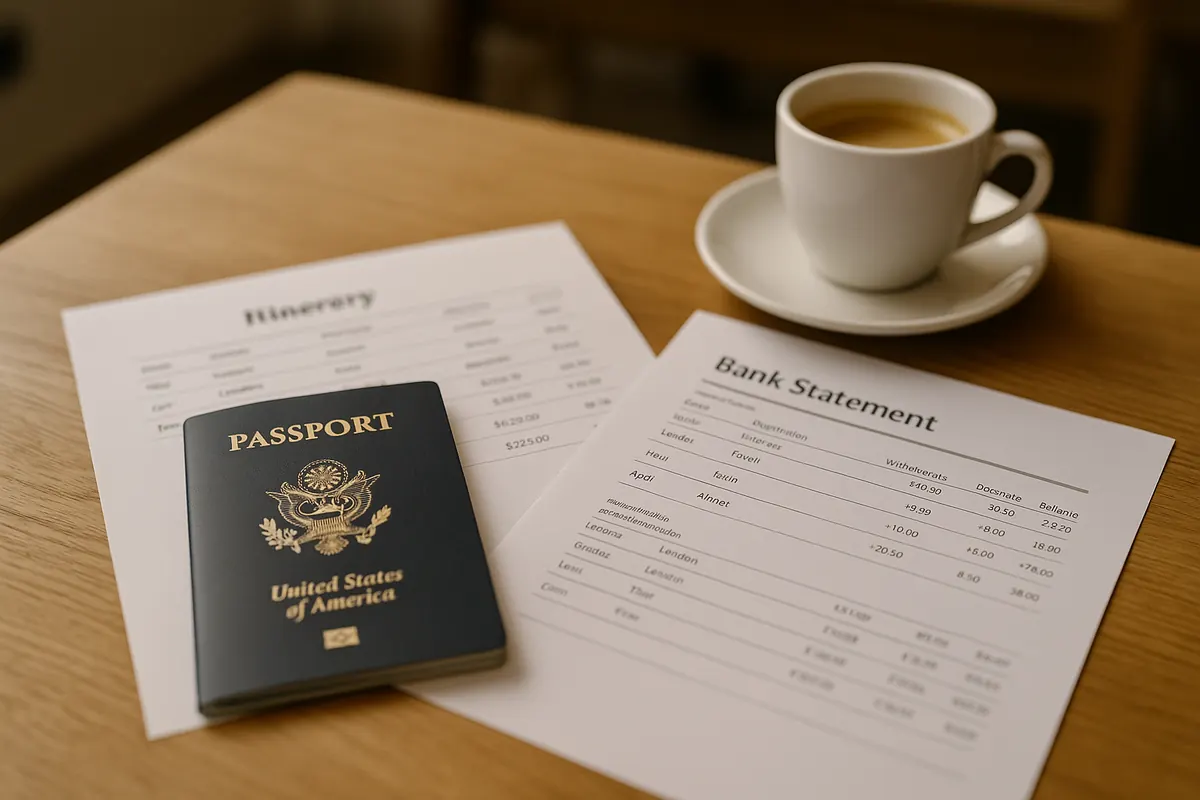
- Bank statements showing you can cover the cost of your trip
- Prior U.S. travel history, if any, showing compliance with visa terms
Common Reasons Visitor Visa Applications Are Denied
The most frequent denial ground is Section 214(b) of the Immigration and Nationality Act, which presumes every applicant intends to immigrate unless they prove otherwise. Typical reasons for denial include:
- Insufficient evidence of ties to the home country
- Vague or inconsistent travel plans
- Prior visa overstays or immigration violations
- Insufficient funds to cover the trip
- Interview answers that don't match the DS-160 application
How Long Can You Stay, and Can You Extend?
Most B-1/B-2 visitors are admitted for up to six months, though the exact period is set by the CBP officer at the port of entry, not by the visa itself. If your circumstances change, an extension of stay is possible in some cases by filing Form I-539 before your authorized period expires. Overstaying, even briefly, can create serious complications for future U.S. travel and other visa applications, so it's worth building in a buffer rather than cutting your trip close to the deadline.
When a Visitor Visa Isn't Enough: Moving Beyond the B-1/B-2
Some visitors arrive intending only a short trip and later discover a genuine business opportunity, perhaps a chance to invest in or launch a U.S. company. In those cases, an E-2 treaty investor visa may fit far better than trying to stretch B-1 status beyond its limits. Because a visitor visa carries no built-in path to a different status, anyone considering a longer-term move to the U.S. should map out the right category before their trip, not after it.
Quick Summary: B-1 vs. B-2 at a Glance
| Feature | B-1 Business Visa | B-2 Visitor Visa |
|---|---|---|
| Purpose | Meetings, negotiations, short trainings | Tourism, family visits, medical care |
| Typical stay | Up to 6 months | Up to 6 months |
| Employment allowed | No | No |
| Combined option | Often issued as B-1/B-2 | Often issued as B-1/B-2 |
| Extension possible | Yes, via Form I-539 | Yes, via Form I-539 |
Planning a Successful Visitor Visa Application
A B-1 or B-2 visa gives you a legitimate, well-defined way to visit the United States for business or pleasure, but approval depends on showing a consular officer that your trip is temporary and that you have real reasons to return home. Prepare your documentation early, keep your travel plans specific and consistent, and don't treat the interview as a formality. Whether you're headed to Seattle for a conference or planning a family visit, working with Stelmakh & Associates Inc puts an experienced team behind your application from the DS-160 through your consular interview. Our attorneys also assist clients traveling to or through Chicago, Austin, San Francisco, and New York, wherever your U.S. plans take you.
Frequently Asked Questions
A B-1 visa covers temporary business activities like meetings, negotiations, or trainings, while a B-2 visa covers tourism, family visits, and medical treatment. Many travelers receive a combined B-1/B-2 visa when their trip involves both purposes.
Most visitors are admitted for up to six months, though the CBP officer at your port of entry sets the exact period on your I-94 record, not the visa itself.
No. Visitor visas do not authorize employment or a salary from a U.S. employer. Engaging in unauthorized work can jeopardize your current stay and future visa applications.
In some cases, yes. You can file Form I-539 before your authorized stay expires to request additional time, though approval depends on your specific circumstances.
Bring your passport, DS-160 confirmation page, photo, and evidence of ties to your home country, such as employment records, property, or family obligations that show you intend to return.
The most common reason is Section 214(b), which presumes immigrant intent unless the applicant proves otherwise. Vague travel plans, weak home-country ties, and inconsistent answers are frequent contributors.
Some applicants, such as certain renewal cases, may qualify for an interview waiver, but this is decided by the consular officer and is not guaranteed for first-time applicants.
It's possible in limited circumstances, but a visitor visa carries no built-in path to work authorization. Anyone planning a longer-term move should discuss the right visa category with an attorney before their trip.